

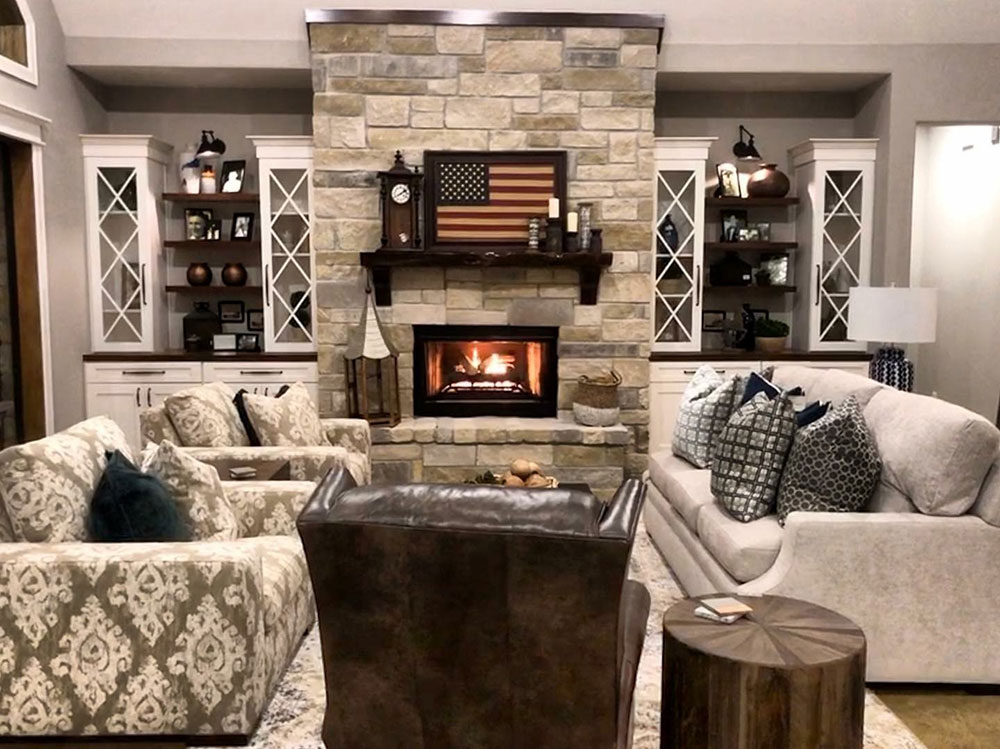
Building or renovating a home in Texas means striking the right balance between solid construction and beautiful design. While Houston is known for its heat and humidity, fireplaces remain an important feature in local homes, enhancing comfort, style, and resilience. Recent Houston winter storms and cold snaps have reminded homeowners that a fireplace can be more than a decorative feature. It can be a source of warmth, peace of mind, and connection when temperatures drop and power outages occur.
Beyond function, fireplaces create a natural focal point in living spaces and contribute to a home’s overall appeal. When thoughtfully selected and professionally installed, a fireplace can also result in a home value increase, making it a smart long-term investment for Houston homeowners.
Why a Fireplace is the Heart of a Houston Home
Houston’s climate is warm for much of the year, but it isn’t immune to freezes. During occasional winter storms, extended cold spells, and power outages, a mild climate can become a real challenge. In those moments, a properly designed fireplace can provide critical emergency heat in Houston, especially when other systems are unavailable.
That said, a fireplace’s value extends far beyond rare weather events. A well-chosen unit becomes the heart of the home year-round. Even when unlit, it anchors the living space, encourages gathering, and adds architectural interest. When in use, it instantly makes a room feel more welcoming, offering comfort on cool evenings and during holiday gatherings. Whether modern or traditional, fireplaces provide warmth in both literal and emotional ways.
Types of Fireplaces: Fueling Your Dream Fire

Gas Fireplaces
Gas fireplaces remain one of the most popular choices for Houston homes thanks to their convenience, clean operation, and dependable performance. With instant flames at the push of a button, a quality gas fireplace delivers adjustable heat without the mess of wood.
Most systems require a natural gas hookup and proper venting through a chimney or pipe. Direct vent fireplaces are especially popular because they draw air from outside and vent exhaust safely, making them an energy-efficient fireplace option for modern homes. Homeowners also frequently choose a gas fireplace insert to upgrade an existing masonry fireplace.
It’s critical to note that vent-free gas logs are prohibited for indoor use in Houston. The ventless fireplace ban in Houston is in place for safety and air-quality reasons, and any indoor gas fireplace must comply with local building codes.
Professional installation is mandatory. Proper gas fireplace installation ensures the unit meets safety standards, complies with Houston building codes, and operates reliably. While gas fireplaces are relatively low-maintenance, periodic maintenance, chimney inspections, and services help ensure safe operation over time.
Electric Fireplaces
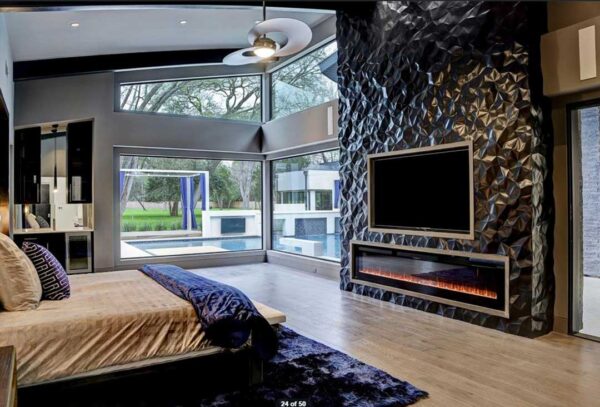
Electric fireplaces are an excellent option for homeowners who prioritize convenience, flexibility, and ease of installation. These units plug into a standard outlet and use LED technology or digital displays to replicate the look of real flames, perfect for adding ambiance on a cool Houston evening. Many models include a built-in heater fan that provides supplemental warmth.
An electric fireplace is often the most budget-friendly option, with lower upfront costs and no need for gas lines, venting, or a chimney. Because they don’t require ventilation, electric fireplaces offer greater placement flexibility, including on interior walls and in bedrooms.
That said, electric fireplaces are best suited to ambiance and zone heating rather than large-area heating. Their heat output is modest, and they will not function during a power outage, making them less effective as an emergency heat source.
Outdoor Fireplaces
Outdoor fireplaces are increasingly popular in Houston, where patios and backyards function as extensions of the home. A thoughtfully designed outdoor fireplace creates a cozy gathering spot for entertaining friends, enjoying cool evenings, or spending time under the stars.
Homeowners can choose between wood-burning fireplaces for a classic campfire feel or gas models for instant flames and minimal smoke. Outdoor installations should always use weather-resistant materials and include safety features such as chimneys, spark screens, and non-combustible hearth areas.
It’s also important to follow local fire-safety regulations and HOA guidelines. During drought conditions or air quality alerts, burn bans may restrict wood-burning. When properly planned, an outdoor fireplace adds atmosphere, usability, and long-term value to Texas homes.
Key Considerations for Houston Homes
Size and Placement
The size of your fireplace should match the scale of the room. A large hearth can overwhelm a small den, while an undersized unit may feel lost in a spacious living room. Placement is equally important for both visual balance and safety.
Electric fireplaces offer the most flexibility since they don’t require venting and can be installed on interior walls. Gas and wood-burning fireplaces must maintain proper clearances from walls, ceilings, and combustible materials. Careful planning ensures the fireplace enhances the space without compromising safety or comfort.
Budget and Efficiency
Setting a clear budget early helps avoid surprises. Fireplace installation cost can vary widely depending on the fuel type, installation complexity, and materials chosen. Gas fireplaces typically require a larger initial investment due to venting, gas connections, and professional installation. Electric fireplaces are usually more affordable upfront.
Efficiency matters beyond installation. Gas fireplaces can serve as effective zone heating fireplaces, helping warm occupied spaces without relying solely on central heating. Electric fireplaces are best for occasional use, as electricity costs can add up over time.
Maintenance is another factor. Gas fireplaces should receive regular service, including chimney inspections and, when needed, a chimney sweep, to ensure safe operation and longevity.
Houston Climate and Regulations
Houston winters are generally mild, so homeowners should decide whether their fireplace is primarily for ambiance or for emergency backup heat. For those seeking backup warmth during unexpected freezes, gas fireplaces with battery backup systems can operate without household electricity.
Local regulations are a major consideration. Houston prohibits unvented indoor gas fireplaces, and outdoor burning may be restricted during droughts or air pollution events. The best way to navigate these rules is to work with experienced professionals.
Professional installation ensures your fireplace meets all permit requirements, complies with local codes, and is designed for Texas conditions. This protects your investment and ensures safe, legal operation for years to come.
Choosing the Right Fireplace for Your Houston Home
Selecting the perfect fireplace for a Houston home is an exciting process that blends function, design, and practicality. By considering fuel type, placement, efficiency, local climate, and building codes, you can choose a fireplace that truly fits your home.
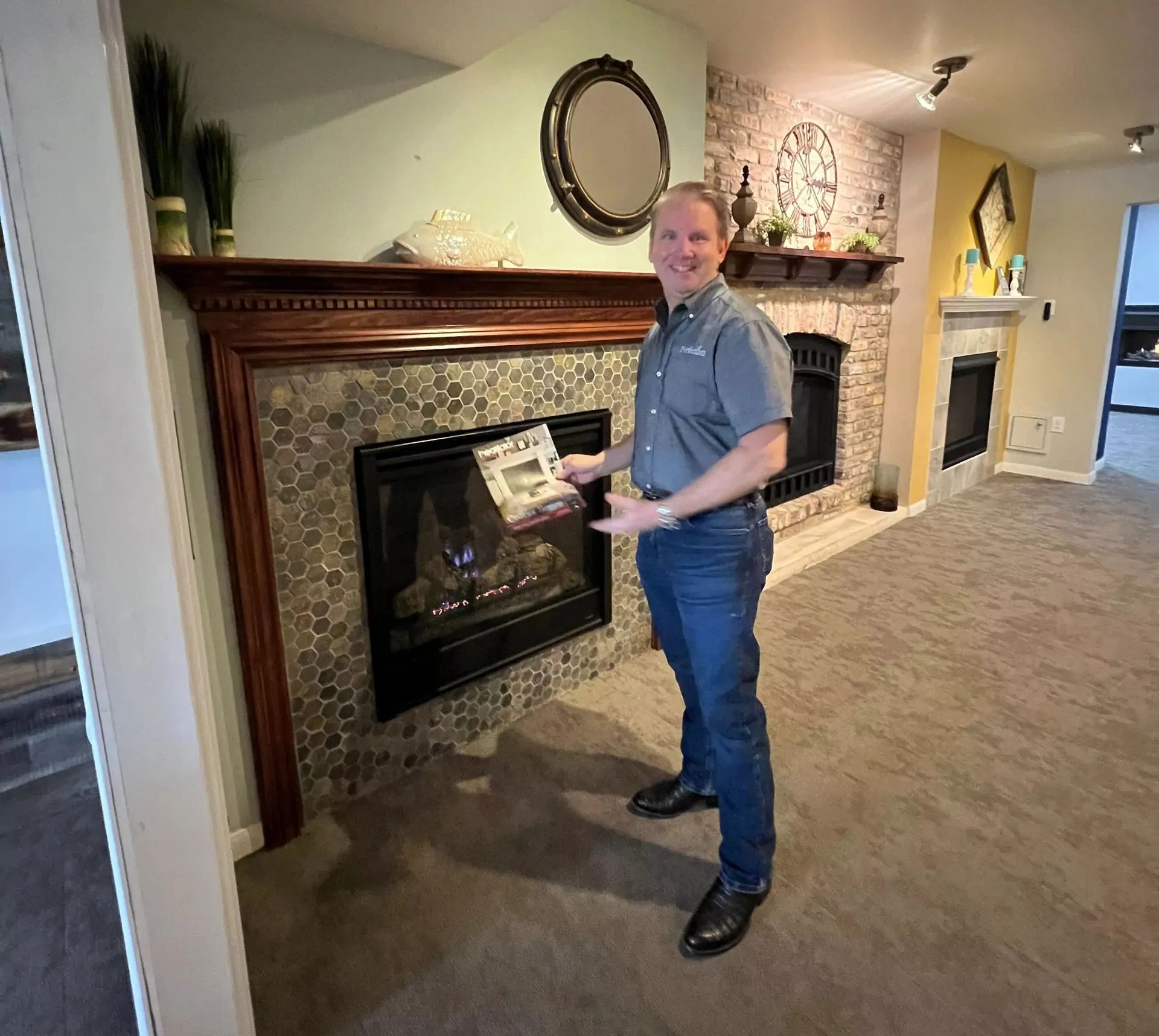
The right fireplace rewards you with warmth, beauty, and a welcoming gathering place on cool Texas evenings. For expert guidance, professional installation, and trusted local knowledge, turn to the team at Perfection Supply. Visit the showroom or schedule a consultation to bring lasting comfort and style into your home.
References:
Perfection Supply. (n.d.). Gas logs and glass doors resources. Perfection Supply. https://www.perfectionsupply.com/resources/gas-logs-and-glass-doors-resources/
Texas A&M AgriLife Extension. (2016). Winter storms: Heating homes safely [PDF]. Texas A&M AgriLife Extension Service. https://texashelp.tamu.edu/wp-content/uploads/2016/02/winter-storms-heating-homes.pdf
Texas Commission on Environmental Quality. (n.d.). Smoke, dust and soot. TCEQ. https://www.tceq.texas.gov/response/wildfires/smoke-dust-soot.html
National Weather Service. (n.d.). Winter weather safety: Before winter storms. National Oceanic and Atmospheric Administration. https://www.weather.gov/safety/winter-before
University of Houston Office of Emergency Management. (n.d.). Winter weather preparedness. University of Houston. https://www.uh.edu/emergency-management/be-prepared/winter-weather/