
Houston’s winters may be mild, yet a sudden cold snap can hit fast. A gas fireplace is one of the easiest ways to keep your home comfortable when temperatures drop, but only if it’s ready for winter. A little prep now prevents bigger problems later and keeps your system running safely and efficiently.
Below is a simple guide to get your gas fireplace ready for winter.
Annual Safety Inspection
Fireplace manufacturers and safety guidelines strongly recommend an annual professional checkup. Our city’s high humidity can accelerate corrosion, making regular fireplace maintenance even more important. A professional inspection usually takes about 45 minutes, though more complex fireplaces can take longer.
During a visit, a professional inspects key components:
- Burner assembly: Check for clogs or damage and make sure the burner ports are clear. This prevents irregular flames or incomplete combustion.
- Gas connections and valves: Test for leaks, confirm the shut-off valve works, and verify everything meets safety standards.
- Ventilation and flue systems: Direct-vent units need tight seals at wall terminations. B-vent systems must draft correctly through the roof. A clear vent path helps prevent carbon monoxide from backing into your home.
- Safety components: The tech checks the automatic shut-off system and confirms the flame stops when the pilot light goes out.
Inspection Timing
Schedule your check up in early fall (September/October) to avoid the winter rush. Annual maintenance service also helps maintain warranty and insurance compliance.
Dust, Dirt, and Cleaning
Houston homes collect dust quickly, and even unused fireplaces gather debris.
Areas to clean
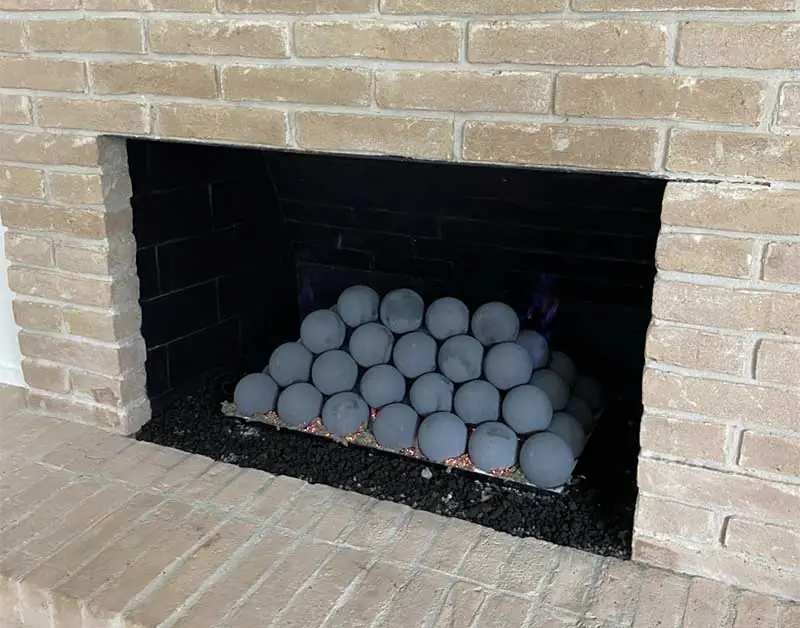
- Ceramic logs, lava rocks, or glass media: If not maintained, humidity can cause condensation to build up in your fireplace. A soft-bristle brush or a vacuum works best for cleaning these areas. Avoid water or ammonia-based cleaners to protect the finish of your logs or media.
- Burner ports and pilot light assembly: Compressed air helps remove buildup in delicate spots. Spider webs are common in our area, and insects sometimes nest inside gas lines.
- Glass doors and viewing panels: Use a fireplace-safe glass cleaner to remove soot and film buildup. Check gaskets around the door and replace any that look worn.
Cleaning schedule
Do a deep clean before the season, a light cleaning each month during use, and a final cleaning after winter/before summer.
Ventilation and Gas Leak Prevention
Ventilation inspection
- Exterior vent terminations: Outdoor vent terminations can collect leaves, bird nests, and storm debris. Hurricanes often bend vent caps or clog openings, which restricts airflow.
- Interior flue/chimney: Indoors, check for obstructions and be sure your draft path is open.
Gas leak detection
- Natural gas detector installation: Install natural gas detectors near the fireplace and sleeping areas. Test them monthly and replace batteries each year.
- Warning signs: Warning signs of natural gas include a rotten-egg smell, hissing near your fireplace, or dead vegetation near buried gas lines.
Pilot Light and Ignition System
Pilot light maintenance
Dust the pilot assembly with a soft brush and check the thermocouple. The flame should burn steadily and blue. If you need to relight it, follow your manufacturer’s instructions and wait at least five minutes after turning the gas off.
Electronic ignition systems
Most systems use AA or 9V batteries. Replace them each year (or as needed) and store extras nearby. The igniter probe should spark consistently; if not, it may need to be cleaned or replaced professionally.
Remote Control Preparations
Remote maintenance
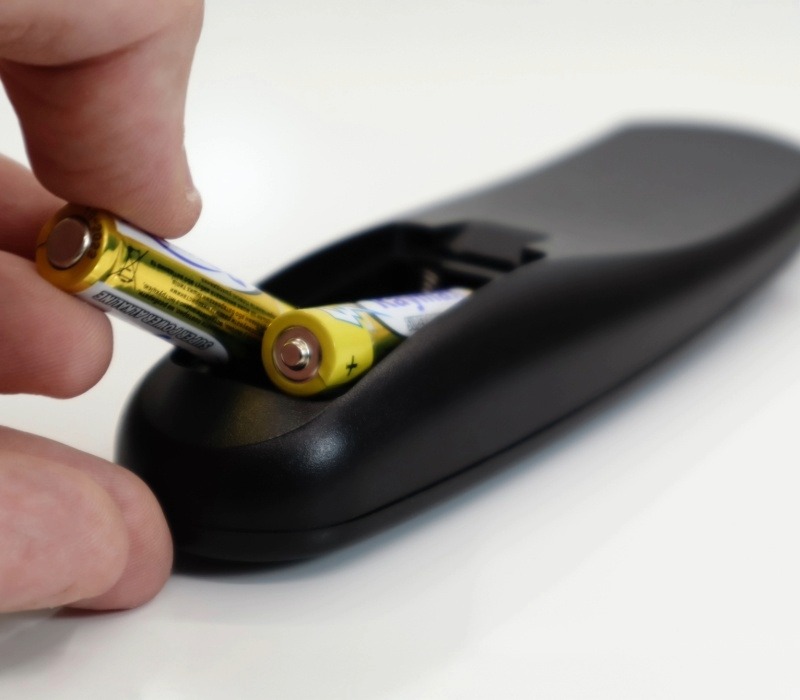
- Battery replacement: Put fresh batteries in both the remote and the receiver before winter. Note the battery type for future reference.
- Range testing: Test the range and check for interference from other devices. Also, clear any corrosion from the battery contacts.
- Programming review: Review your thermostat settings and test each function, including flame height and fan control.
Manual override
Know where the manual controls are located and how to operate your fireplace by hand. This helps during power outages or if the remote fails unexpectedly.
Carbon Monoxide and Smoke Detectors
CO detector requirements
Carbon monoxide detectors are essential in any home with a gas appliance. Place one within ten feet of the fireplace room, one on every floor, and near sleeping areas. Test them monthly during fireplace season, replace the batteries annually, and replace the unit every five to seven years.
Smoke detector coordination
If your smoke detectors link together, test them at the same time to confirm they all respond. Keep an ABC-rated fire extinguisher nearby.
Safety Barriers and Equipment
Physical barriers
If you have children and/or pets, a safety screen or gate is essential. Glass doors can reach more than 400°F, so check your safety screen or gate’s stability and that its mounting is secure. Consider adding hearth padding if you have toddlers, and keep flammable items off the hearth.
Safety equipment
Use an ABC-rated extinguisher with a minimum 5-lb capacity and mount it within reach but not directly next to your fireplace. Check your fireplace tools for loose handles or sharp edges. Remember to store them in a stable holder away from children.
Final Winter-Ready Checklist
- Annual professional fireplace maintenance has been scheduled or completed.
- Logs, burners, and glass are cleaned.
- The ventilation system is cleared and checked.
- Gas connections have been checked for leaks.
- Pilot light is clean and functioning.
- The electronic ignition system is tested and batteries replaced (if needed).
- Remote is tested and reprogrammed (if needed) and batteries replaced.
- Safety screens are secured.
- All adults know the location of the emergency shut-off valve.
- The manual is stored in an easy-to-find spot.
- An emergency service number is posted nearby.
Recap and Benefits
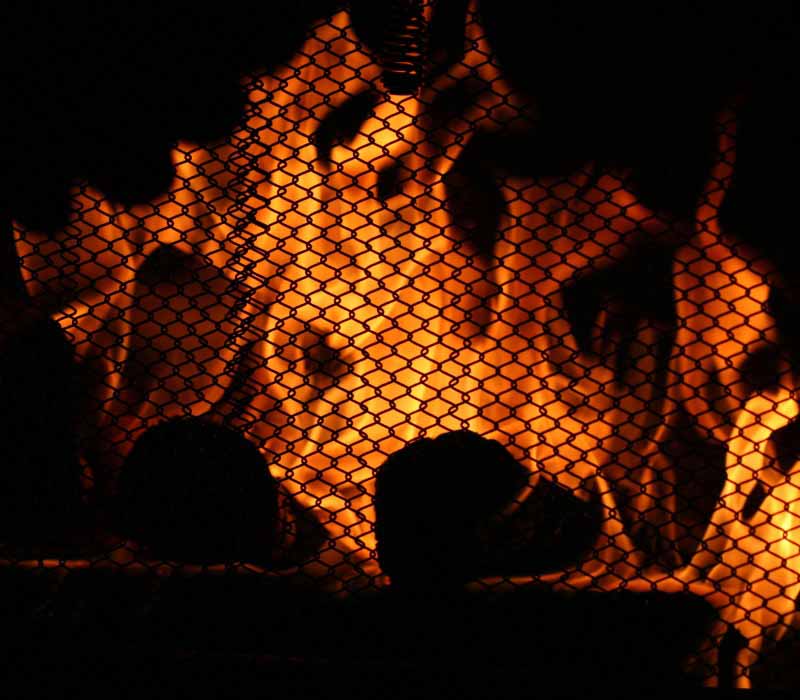
A well-maintained gas fireplace warms your home with steady warm air, burns cleanly, and helps extend the life of the unit. These steps protect your home, reduce safety risks, and make cold fronts easier to handle. When a front hits Houston, you want a fireplace that lights without hesitation or strange smells.
Stay Warm All Winter with Perfection Supply
Our Houston winters can swing from mild to freezing overnight. A prepared gas fireplace gives you confidence when the next cold front arrives. When the forecast calls for a chilly evening, you should be able to flip a switch, enjoy the glow, and relax.
Perfection Supply has served Houston homeowners since 1979. Our trained technicians know these systems inside and out and handle everything from cleanings to repairs. We make sure your fireplace is safe, efficient, and ready when you need it. We also offer a Gas Fireplace Service Plan that saves you even more money and leaves the scheduling to us.
Contact us today to schedule your gas fireplace service and keep your Houston area home warm all winter long.