

If you own a gas fireplace, you might assume it needs minimal attention. After all, there’s no wood to haul, no ash to clean up, and it starts with the flip of a wall switch or remote control. But gas fireplaces burn fuel that produces combustion byproducts, such as carbon monoxide (CO), that require professional attention every year. That’s especially true here in Houston’s hot, humid climate, where corrosion and pest activity accelerate wear on your system.
Fireplace manufacturers recommend gas fireplace maintenance to be done annually. A professional inspection covers gas connections, venting and flue integrity, pilot light and ignition components, carbon monoxide safety checks, and a thorough cleaning. Annual service protects your family from CO risks, extends the life of your fireplace, and keeps it running efficiently year-round.
Not sure when your fireplace was last serviced? A professional inspection can uncover hidden issues before they become costly repairs.
Why Gas Fireplaces Need Annual Service
It’s Not Just About Looks — It’s About Safety
Poorly maintained combustion appliances are a leading source of indoor air quality combustion problems, such as indoor CO exposure. A yearly professional inspection of all fuel-burning appliances, including fireplaces, is recommended to prevent dangerous buildup of pollutants.
Houston-Specific Factors
Houston’s climate adds unique risks that homeowners elsewhere may not face:
- Our high humidity accelerates corrosion on metal gas components and connections.
- Insects, especially spiders, commonly nest inside gas lines, burner ports, and vent terminations during warmer months.
- Hurricane season debris can block or damage exterior vent caps, creating backdraft risks.
- Even with our short winters, seasonal use still requires an annual checkup to catch any problems before the next cold snap arrives.

What to Expect During a Gas Fireplace Inspection
Gas Connections and Leak Testing
A fireplace technician tests all connections and valves for leaks using specialized detection equipment. They will also verify that your shut-off valve operates properly. How well an appliance is maintained and vented directly affects the pollutants it produces, making this step crucial.
Venting and Flue Inspection
For a direct vent fireplace, seals at wall terminations are checked for integrity. B-vent systems are tested for proper draft through the roof vent. Exterior vent terminations are visually inspected for leaves, bird nests, or insect blockages. This is an important step because the EPA warns that blocked, leaking, or damaged chimneys or flues can affect gas fireplace venting and release harmful combustion gases, including fatal high concentrations of carbon monoxide, which can be fatal.
Carbon Monoxide Safety Check
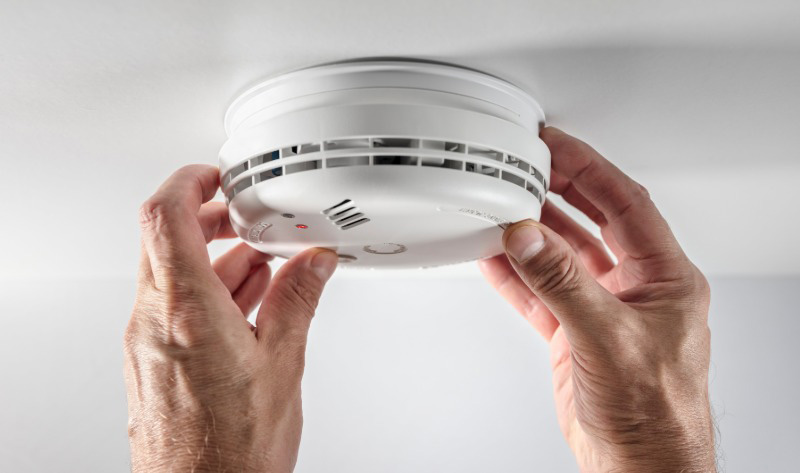
During a carbon monoxide safety fireplace check, the technician looks for signs of CO spillage or backdrafting. The U.S. Consumer Product Safety Commission (CPSC) strongly recommends installing CO alarms near your fireplace, on every level of your home, and in every sleeping area. Be sure to test them monthly.
Burner, Pilot Light, and Ignition System
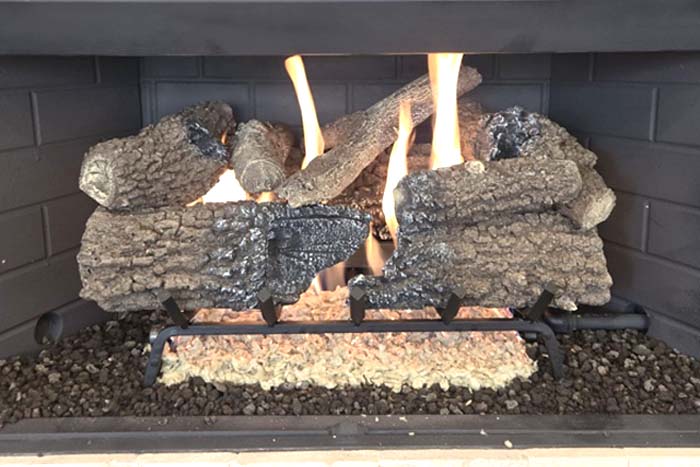
Burner ports are inspected for clogs, debris, and spider webs, then cleaned as needed. Gas pressure and system voltage are tested and adjusted back to manufacturer specs. Pilot light maintenance includes checking for consistent, proper operation, including a steady, blue-burning flame. A yellow or irregular flame indicates incomplete combustion and needs immediate attention.
Glass, Gaskets, and Cleaning
Thorough gas fireplace cleaning and maintenance services cover a lot of ground, including cleaning and inspecting glass panels for cracks. Gasket seals around doors and glass are inspected for airtightness and replaced if worn. Ceramic logs or glass media are repositioned as needed, and the control compartment is vacuumed free of dust and debris.
How Often Should You Service Your Gas Fireplace?
Annual service is the consistent recommendation from manufacturers and safety agencies. Fire safety experts note that gas fireplaces require the same yearly maintenance as wood-burning fireplaces to avoid CO risks.
Schedule your gas fireplace inspection in late spring or early fall to beat the winter rush and ensure your system is ready when temperatures drop. Between professional visits, you can dust clean the outside of the glass with a non-abrasive, non-ammonia based cleaner and logs monthly during use, check exterior vents for visible blockages, and test CO alarms regularly. A gas fireplace winter prep guide is an ideal spot for more tips on preparing your fireplace.
Signs Your Fireplace Needs Immediate Attention
Don’t wait for your annual visit if you notice these warning signs. They may point to a need for immediate gas fireplace repair Houston homeowners should never ignore.
- A sulfur or rotten-egg smell near your fireplace (possible gas leak).
- Yellow, orange, or flickering flames instead of steady blue.
- Soot buildup on glass or walls.
- The pilot light won’t stay lit, or ignition fails repeatedly.
- Unusual odors, hissing sounds, or visible corrosion on components.
- Headaches, dizziness, or eye irritation nausea during use (possible CO exposure).
If you notice any of these signs, contact a professional right away. You can also explore gas fireplace options if your unit is aging or beyond repair.
Frequently Asked Questions
Keep Your Family Safe and Your Fireplace Ready
From gas leak detection and CO checks to gas log service and thorough cleaning, annual gas fireplace service protects your family and your investment. In Houston’s humid climate, with its corrosion risks, pests, and storm debris, it’s not optional; it’s essential.
Perfection Supply has served Houston homeowners since 1979. Our National Fireplace Institute (NFI) certified technicians handle everything from routine cleanings to complex repairs. We also offer a fireplace service plan that saves you money and takes the scheduling off your plate. We’ll reach out each year, so you never have to remember.
Contact us today to schedule your annual gas fireplace inspection.
References:
Oakland Community College. “7 Safety Tips Before Using Your Fireplace this Season.” Oakland Community College News, www.oaklandcc.edu/news/press-releases/fireplacesafetytips.
U.S. Consumer Product Safety Commission. “Carbon Monoxide Fact Sheet.” CPSC.gov, www.cpsc.gov/safety-education/safety-guides/carbon-monoxide/carbon-monoxide-fact-sheet.
U.S. Consumer Product Safety Commission. “CPSC Urges Caution with Heating as Winter Weather Arrives; Carbon Monoxide Deaths on the Rise.” CPSC.gov, 2010, www.cpsc.gov/Newsroom/News-Releases/2010/CPSC-Urges-Caution-with-Heating-as-Winter-Weather-Arrives-Carbon-Monoxide-Deaths-on-the-Rise.
U.S. Consumer Product Safety Commission. “CPSC Urges Seasonal Furnace Inspection to Prevent CO Poisonings.” CPSC.gov, 2002, www.cpsc.gov/Newsroom/News-Releases/2002/CPSC-Urges-Seasonal-Furnace-Inspection-to-Prevent-CO-Poisonings.
U.S. Consumer Product Safety Commission. “Keep Warm and Safe This Winter: Tips for Using Generators, Furnaces and Space Heaters.” CPSC.gov, 2026, www.cpsc.gov/Newsroom/News-Releases/2026/Keep-Warm-and-Safe-This-Winter-Tips-for-Using-Generators-Furnaces-and-Space-Heaters.
U.S. Environmental Protection Agency. “Carbon Monoxide’s Impact on Indoor Air Quality.” EPA.gov, www.epa.gov/indoor-air-quality-iaq/carbon-monoxides-impact-indoor-air-quality.
U.S. Environmental Protection Agency. “Improving Your Indoor Environment.” EPA.gov, www.epa.gov/indoor-air-quality-iaq/improving-your-indoor-environment.
U.S. Environmental Protection Agency. “Sources of Combustion Products.” EPA.gov, www.epa.gov/indoor-air-quality-iaq/sources-combustion-products.